Daisy SVG Illustrations: A Designer's Review
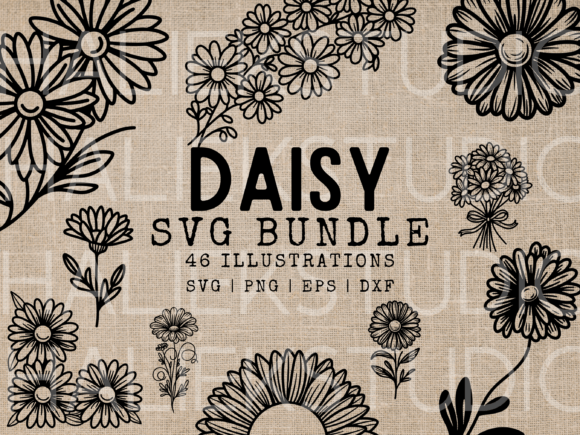
As someone who has spent years translating digital files into tangible stitched goods, I approach every new asset with a critical eye. When I first opened the file for Daisy SVG Illustrations, my immediate thought was about versatility. This collection of 46 daisy illustrations is not just another set of clip art; it is a toolkit for creating cohesive, charming branding across a variety of handmade products. The description notes that these are black, single-layer line drawings, and that simplicity is exactly where their strength lies for an embroidery designer.
The First Impression: Clean Lines and Endless Potential
Visually, the mood created by these graphics is nostalgic yet modern. The single-layer line drawing style means there is no complex shading or gradient to fight against during the digitization process. For a professional looking to create custom apparel or small shop merchandise, this is a breath of fresh air. The shapes are distinct, the petals are well-defined, and the overall layout feels balanced without being rigid.
When evaluating Daisy SVG Illustrations for real project use, the visual personality screams "cozy." It fits perfectly into the aesthetic of a boutique nursery, a local coffee shop, or a craft fair booth selling personalized gifts. Unlike dense, realistic floral designs that can look muddy on fabric, these illustrations maintain their clarity even when scaled down. This makes them an excellent choice for a tote bag design or a subtle accent on a sweatshirt.
From Screen to Stitch: Real-World Application
Let’s talk about a specific scenario. Imagine you are preparing a custom embroidered sweatshirt for a client who wants a vintage-inspired look. You need a design that pops but doesn't overwhelm the garment. Using Daisy SVG Illustrations, I would select one of the larger blooms and convert it into a machine embroidery design using a running stitch or a very light satin stitch outline.
Because the source file is a clean line drawing, the resulting embroidery file will likely have lower stitch density compared to a full-color fill design. This is crucial for comfort. On a cozy sweatshirt, heavy stitching can make the fabric stiff and uncomfortable. These daisies allow for a soft hand feel while still delivering a professional finish. Similarly, for baby embroidery, the lack of tiny, intricate details reduces the risk of thread breaks and ensures the final product is safe and durable for delicate skin.
I also see immense potential here for creating an embroidered patch. The bold outlines of the daisies translate beautifully into patches that can be sewn onto denim jackets, aprons, or backpacks. For an Etsy seller or small business owner, having a collection of 46 variations allows you to offer unique combinations without buying multiple assets. You could create a "Daisy Garden" theme for pillow covers or kitchen towels, mixing different bloom sizes to create a dynamic composition.
Navigating Challenges: Where Caution is Key
While these graphics are robust, they are not magic. As a designer, I must advise caution in specific situations. The single-layer nature of the line drawings means they rely heavily on the contrast between the thread color and the fabric background. If you attempt to embroider a thin white daisy line on a light gray shirt, the design may disappear entirely. Always test your thread colors against your chosen fabric texture before committing to a large run.
Furthermore, consider the hoop size. While the designs are scalable, shrinking them too much for a cap or a hat can cause the lines to merge, losing the definition of the petals. On curved surfaces like caps, the tension of the fabric can distort simple line work if the stabilizer isn't chosen correctly. I recommend using a cut-away stabilizer for stretchy fabrics to ensure the daisy shape remains true after washing.
Another area to watch is dense stitch areas. If you decide to turn these line drawings into a fill stitch design, be careful not to overdo the density. Too much thread in a small area can pucker thin fabric, ruining the look of a tea towel or a lightweight t-shirt. Sometimes, leaving the center of the flower open and only stitching the outline creates a more elegant, airy look that suits the Daisy SVG Illustrations style better than a solid block of thread.
Boosting Value and Professionalism
Using high-quality design assets directly impacts customer trust and brand consistency. When a buyer receives a finished product featuring these daisies, they expect a certain level of craftsmanship. Because the original graphics are clean and well-drawn, the final embroidery looks intentional rather than rushed. This attention to detail elevates a simple handmade product into a premium item worthy of a higher price point.
For creative entrepreneurs building a brand, consistency is key. Having 46 variations of the same theme allows you to create a recognizable visual identity. Whether it's holiday embroidery for a seasonal collection or everyday items for a permanent shop inventory, these illustrations provide a cohesive thread (pun intended) through your product line. They work equally well as digital product previews or printable mockups to showcase your capabilities before a client places an order.
Practical Notes for the Embroidery Designer
Before you integrate Daisy SVG Illustrations into your workflow, follow these practical steps to ensure success:
- Test on Scrap Fabric: Never skip this step. Run a test on the exact fabric you plan to use to check how the line weight translates to thread.
- Check Thread Contrast: Ensure the thread color stands out clearly against the background material. High contrast is vital for line drawings.
- Review Stitch Density: If converting to fill, keep it light to avoid puckering, especially on thin or stretchy materials.
- Confirm Hoop Size: Verify that the design fits comfortably within your hoop without distorting the image at the edges.
- Inspect Small Details: Zoom in to ensure no petals are too close together, which could cause thread bunching.
- Use Proper Stabilizer: Match your stabilizer to the fabric type to support the stitches and prevent shifting.
- Verify Licensing: Before selling finished items or digital products, confirm the licensing terms of the Daisy SVG Illustrations package to ensure you are compliant for commercial use.
In conclusion, Daisy SVG Illustrations offers a fantastic foundation for anyone looking to expand their embroidery portfolio. From personalized gifts to commercial apparel, these graphics provide the flexibility and charm needed to create standout products. By understanding their strengths and limitations, you can leverage them to produce high-quality, professional results that delight customers and grow your craft business.