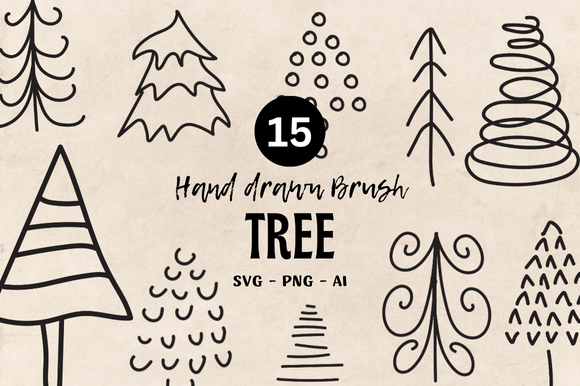
Tree Brush Illustrations: Graphics & Editorial Design
As a digital publisher who has spent years refining the visual language of content websites, I know that the difference between a casual blog and an authoritative brand often comes down to the quality of its graphic design assets. When I first encountered Tree Brush Illustrations, my immediate reaction was one of curiosity mixed with professional skepticism. In the world of editorial design, seasonal themes can easily tip over into kitsch if not executed with precision. However, this specific collection of graphics immediately established a distinct mood that feels both atmospheric and versatile for serious content marketing.
The Editorial Mood and Visual Identity
The first impression of Tree Brush Illustrations is defined by a spooky, artistic aesthetic that leans heavily into the horror and Halloween niches without feeling cheap. For publishers targeting October content, holiday guides, or even year-round dark academia and gothic lifestyle blogs, these illustrations provide a cohesive visual identity that is hard to replicate with generic stock photos. The brush style adds a layer of texture and human touch that vector art often lacks, creating a sense of depth and emotion in the layout.
This asset set supports content that needs to feel immersive. Whether you are writing about haunted history, crafting a digital guide on fall decor, or designing a lead magnet for a creative workshop, the imagery elevates the reader's perception of your work. It signals that you have invested in high-quality creative design rather than relying on default templates. The mood is undeniably playful yet eerie, making it perfect for brands that want to stand out in crowded social media feeds during the autumn season.
Real-World Publishing Applications
In my workflow, I evaluate every new download based on how quickly it can be deployed across multiple platforms. Tree Brush Illustrations excels here because of its format flexibility. You receive 15 PNG files at 300 DPI, 15 SVG vectors, and 1 AI file compatible with any software that recognizes these standard formats. This variety is crucial for a modern publisher managing everything from web headers to printables.
For blog featured images, these graphics serve as powerful focal points. I imagine using them as overlays on moody backgrounds for article headers about seasonal recipes or travel guides to historic cemeteries. The transparency of the PNGs allows for seamless integration into Canva templates or Photoshop layouts, ensuring that the text remains legible while the image provides context. Furthermore, for Pinterest pins and social media graphics, the bold lines and dark tones of these tree illustrations pop against light backgrounds, driving higher click-through rates.
Beyond the blog itself, these assets are invaluable for creating downloadable resources. Imagine a digital guide on "Spooky Home Decor" where the cover features one of these tree brushes. Or consider a newsletter header for an affiliate marketing campaign promoting Halloween products; the visual consistency builds trust with your subscribers. Even for small business owners selling printable designs, these elements can be repurposed into worksheets, eBook covers, or media kit accents, proving their worth as a comprehensive commercial design tool.
Enhancing Content Performance and Trust
Visual hierarchy is the backbone of effective web design. When readers land on a page, they scan for cues that tell them what the content is about before they read a single word. Tree Brush Illustrations strengthens this hierarchy by providing clear, recognizable symbols associated with the season. This improves category recognition instantly. A user scrolling through a feed will immediately associate the graphic with your niche, whether it is horror fiction reviews or fall gardening tips.
Moreover, consistent branding is essential for building reader trust. Using low-resolution or mismatched clipart can make a website look amateurish, causing visitors to bounce. By integrating these high-resolution graphics, you signal professionalism. The clean lines and detailed brush strokes suggest that the content behind the image is equally polished. For affiliate marketers, this perception of authority is critical; users are more likely to click on recommendations from a site that looks like a trusted publication rather than a hastily assembled landing page.
Strategic Placement and Usage
To get the most out of this digital product, strategic placement is key. These illustrations work best as hero images for seasonal landing pages, article thumbnails on archive pages, and as decorative accents within long-form editorial layouts. They are particularly effective in newsletter headers where space is limited but impact is required. Additionally, using them in digital ads or as part of a content upgrade package can significantly boost engagement metrics.
However, there are scenarios where caution is advised. While the graphics are stunning, they should be used carefully on small mobile thumbnails where intricate details might get lost. In text-heavy blog images, ensure the contrast between the dark trees and the background is sufficient to avoid readability issues. If your brand identity relies on a strictly minimal or corporate visual system, these bold, spooky elements might clash unless used sparingly as a seasonal accent rather than a core brand element.
Publisher Notes and Technical Considerations
Before integrating any new asset into a live publishing environment, I always run a series of tests. With Tree Brush Illustrations, start by previewing the images on both desktop and mobile screens to ensure scalability. Check how the SVG files render when resized; they should remain crisp at any dimension. Test the PNGs inside your actual blog layout to see how they interact with your typography. Try pairing the images with serif fonts for a classic editorial look, sans-serif for a modern feel, or script fonts for a whimsical touch.
Contrast and readability are paramount. Place the graphics beside different background colors to verify visibility. Also, review the file sizes to ensure they do not slow down your website performance. While 300 DPI is excellent for print, web optimization requires compression. Use tools to compress the PNGs without losing quality to maintain fast load times. Finally, always confirm the commercial licensing terms. Since these assets are intended for monetized websites, affiliate pages, and paid content products, ensure you have the rights to use them in all your revenue-generating projects.
Final Thoughts on Creative Value
Tree Brush Illustrations represents a significant value add for any creative entrepreneur or content creator looking to elevate their seasonal output. The combination of high-resolution PNGs, scalable SVGs, and editable AI files makes it a robust toolkit for diverse applications. From enhancing a simple blog post to creating a full suite of social media graphics and digital guides, these assets support a professional, engaging, and visually compelling narrative.
For those of us dedicated to the craft of digital publishing, having access to such versatile design assets streamlines the workflow and allows more time for storytelling. Whether you are a blogger preparing for the October rush or a designer building a portfolio of seasonal templates, this collection offers the visual punch needed to capture attention and retain readers in an increasingly competitive digital landscape.