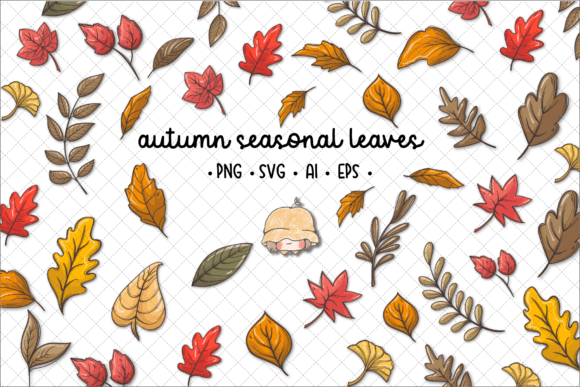
Autumn Fall Season Leaves Illustrations Review
As a designer who has spent years navigating the fine line between digital art and physical stitching, I approach every new asset with a critical eye. The market is flooded with generic patterns, but Autumn Fall Season Leaves Illustrations immediately stood out during my initial review. This collection of Maple Leaves, Brown Orange Leaves Illustrations, and general Fall Leaves offers a specific mood that resonates deeply with the cozy aesthetic of the season. However, before I commit to using these Graphics in a client project or my own Etsy shop, I need to understand how they translate from a screen to a hoop.
The First Impression: Mood and Visual Weight
When I first opened the file set, the visual personality was clear. These are not simple clip-art shapes; they possess a level of intricacy that suggests a high-quality finished product. The mix-and-match capability mentioned in the description allows for significant creative freedom. For an embroidery designer, this is crucial. It means I can create a custom apparel layout where leaves cascade down a sleeve or cluster on a tote bag design without looking repetitive.
The color palette, focusing on brown and orange tones, creates an immediate sense of warmth. In the world of handmade products, this emotional connection is what drives sales. A customer scrolling through a boutique listing wants to feel the season. However, as someone who evaluates designs for real-world application, I know that beautiful colors on a monitor do not always equal beautiful thread on fabric. The challenge lies in maintaining that "highly detailed" look when converting it into a machine embroidery design.
Testing the Design: A Real-World Sweatshirt Scenario
To truly evaluate the utility of Autumn Fall Season Leaves Illustrations, I imagined a specific scenario: preparing a custom embroidered sweatshirt for a local craft fair. The client wanted a unisex crewneck featuring a large leaf motif on the back. This is a common request for holiday embroidery and small shop merchandise.
My first step would be to import the Graphics into my digitizing software. Since the description highlights that these are illustrations suitable for sublimation and Cricut projects, I must verify if the lines are clean enough for digitization. If the original file is a raster image, I will need to trace the outlines carefully to ensure the satin stitch and fill stitch areas are defined correctly. If it is already a vector-based embroidery file, I still need to check the node count. Too many nodes can lead to jagged edges on the final stitch, while too few might lose the organic shape of the maple leaves.
For a sweatshirt, the fabric texture is a major factor. Fleece has a nap that can hide fine details. If the Autumn Fall Season Leaves Illustrations feature tiny veins or delicate tips, those details might get lost in the pile of the fabric. In this case, I would likely simplify the design slightly, increasing the stitch density in key areas to ensure the shape pops against the dark or heathered background. The goal is a professional finish that looks intentional, not muddy.
Where the Design Shines: Totes, Patches, and Home Goods
While heavy fleece requires caution, these illustrations seem perfectly suited for other applications. A tote bag design is an excellent candidate. Cotton canvas provides a smooth surface that holds detail well. I could arrange several of the fall leaves in a scattered pattern across the front, creating a dynamic composition that feels like a personalized gift.
Similarly, an embroidered patch is a fantastic use case. By stabilizing the backing heavily, I can achieve sharp edges on the leaves. These patches could then be sewn onto denim jackets, hats, or even baby embroidery items like bibs or blankets. The versatility of being able to mix and match the leaves allows me to create unique sets for different customers, adding value to my craft business offerings.
For home decor, think about pillow covers or kitchen towels. The autumn theme fits perfectly here. A tea towel with a single, large maple leaf in the corner could be a bestseller in a handmade shop. The key is ensuring the placement doesn't interfere with the function of the item. On a pillow cover, the design should be centered and balanced to maintain visual appeal.
Navigating Challenges: Fabric and Hoop Constraints
Despite the potential, there are scenarios where Autumn Fall Season Leaves Illustrations require careful handling. Small hoop sizes are a primary concern. If you try to force a highly detailed leaf cluster into a 4x4 inch hoop, the stitch count may become excessive, leading to puckering or thread breakage. Always check the recommended hoop size before starting your embroidery project.
Stretchy fabrics like jersey knits used for t-shirts also demand attention. Without the proper stabilizer, the intricate curves of the leaves can distort as the fabric stretches during stitching. I always recommend testing the design on scrap fabric first. This test run helps identify issues with registration, thread tension, and whether the design sits flat.
Dark fabrics present another hurdle. To make the brown and orange leaves stand out on a black or navy background, I would need to consider underlay stitches and potentially lighter thread colors. The contrast is vital for buyer engagement. If the design blends into the fabric, the perceived value of the finished product drops significantly. Checking light and dark fabric backgrounds in a printable mockup before cutting any thread is a non-negotiable step for professional results.
Stitch Density and Detail Retention
One of the most critical aspects of reviewing a design like this is the stitch density. Highly detailed illustrations often require dense fill stitches to prevent the fabric from showing through. However, too much density makes the patch stiff and uncomfortable, especially on baby clothes or caps. I would inspect the small details closely. Are the leaf stems thin enough to hold up? Do the serrated edges have enough support?
If the design includes running stitch outlines, I need to ensure they are thick enough to define the shape without breaking. On curved surfaces like caps, the topography of the brim can cause skipping. Adjusting the pull compensation in the machine settings might be necessary to keep the leaves looking crisp.
Business Value and Commercial Considerations
For the Etsy seller or digital product creator, the commercial viability of Autumn Fall Season Leaves Illustrations is strong. The seasonal nature of the design ensures relevance during peak shopping times. However, as a professional, I must remind you to confirm licensing before selling finished items or digital products. Just because you purchased the graphics does not automatically grant commercial rights for embroidery files derived from them.
Using these assets can elevate brand consistency. If your shop specializes in rustic or nature-inspired goods, these leaves fit the narrative perfectly. They enhance the handmade presentation and build customer trust by showing attention to detail. A well-executed custom apparel piece with these leaves signals quality, encouraging repeat business.
In conclusion, while Autumn Fall Season Leaves Illustrations offer a beautiful foundation for seasonal projects, their success depends on your technical execution. From choosing the right stabilizer to managing stitch density on textured fabrics, the journey from digital file to physical product requires skill. By treating these Graphics with respect and understanding their limitations, you can create stunning, high-value items that customers will love. Whether it's a holiday gift, a boutique product, or a personal keepsake, the potential for creativity here is vast, provided you take the time to prepare properly.